The development of photo filters has revolutionized the digital content creation. Originally, photographers used simple preset filters, which were not very flexible. These primitive filters tended to give uniform corrections, and it was hard to have a smooth and professional appearance. Technology brought smarter editing features over time, and currently, artificial intelligence-based improvements redefine the capabilities of filters. Professional filters do not just increase colors and contrast, but also preserve visual harmony, making photos cinematic or editorial. CapCut online plays a vital role in this shift, offering a photo editor that makes professional-grade filters accessible without steep learning curves. Even novices can take their visuals to the industry standards in a short time with the help of AI-driven tools.
What Makes a Filter Look Professional
An expert filter is used to balance color and tonality, so that all elements in the image are complementary. The subtlety is essential; overprocessing may bring out strong contrasts or unnatural skin tones, which will take away the focus of the subject. The advantage of AI-driven filters lies in their ability to make context-sensitive changes and scan an image to enhance brightness, shadows, and color grading automatically. The effect is a natural, unifying look that does not appear to be mechanical. The environmental factors, such as ambient light and reflections, are also taken into consideration by the professional filters, which ensure that the photo does not lose the intended mood and clarity.
Limitations of Traditional Filter Presets
Traditional filters may suffer because of the one-size-fits-all approach, where the output differs with a change of lighting. What is a very nice preset during the daytime turns out to be dull or over-exposed at night. The issue of fine-tuning by hand, correction of exposure, saturation, and hue, is commonly faced by photographers to compensate for the preset limitations. This can be tiring and annoying, especially when it comes to the need to scan several images to create a campaign or social feed. This means that traditional filters do not deliver a uniform quality, and expert work might take much technical knowledge.
AI-Powered Filtering Inside CapCut
AI-based filtering could be offered by the CapCut online; it is unique to the photo under analysis. Subjects, backgrounds, and lighting conditions are identified using intelligent scene recognition, and optimized adjustments are automatically made. The process of adaptive color grading is necessary to balance the highlights, midtones, and shadows, and no hand settings are required. One can also use the high-tech AI Design Agent tools on the platform, which allow for control of aesthetic decisions with high accuracy. These characteristics allow users to create stunning visual content in a few seconds, and they do not need to struggle with complex software and lengthy manuals to achieve the same.
Steps To Apply Professional Filters Easily with an AI Photo Editor
Step One: Enter the Filter Creation Panel
Open CapCut and access the AI photo editor. Sign up, then select the “AI Design” tool from the left vertical menu on the main interface. This area lets you generate stylized visuals, mood-based designs, and creative effects. It works well for social media or personal projects.
Step Two: Define the Look and Upload a Photo
Type a prompt describing the filter mood, tone, or color grading you want. Click “Upload image” to add a reference photo from space or your local device. This helps the AI photo editor match lighting and texture accurately. Click the “Send” tab to apply the effect.
Step Three: Adjust and Export the Filtered Image
Refine the result by tweaking the background color or adding text if needed. Use AI tools like Inpaint, upscale, remove, or expand features for cleaner output.
When satisfied, click “Download”, choose JPEG, PNG, or PDF, and set the size. You can also copy the image as a PNG and share it directly to Facebook or Instagram.
Customizing Filters for Different Visual Purposes
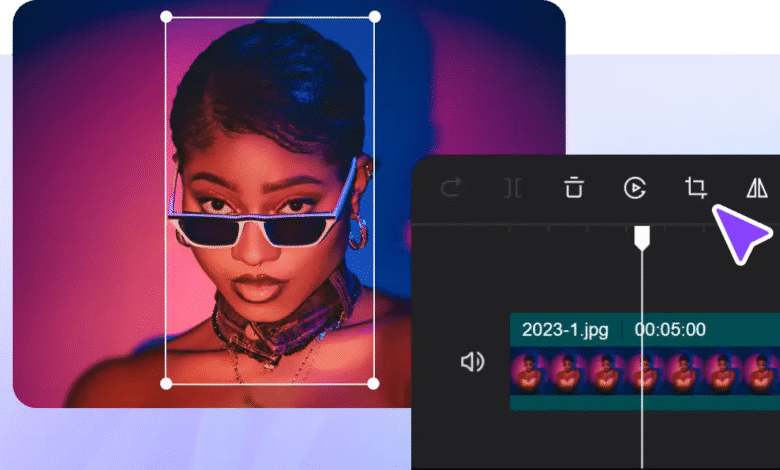
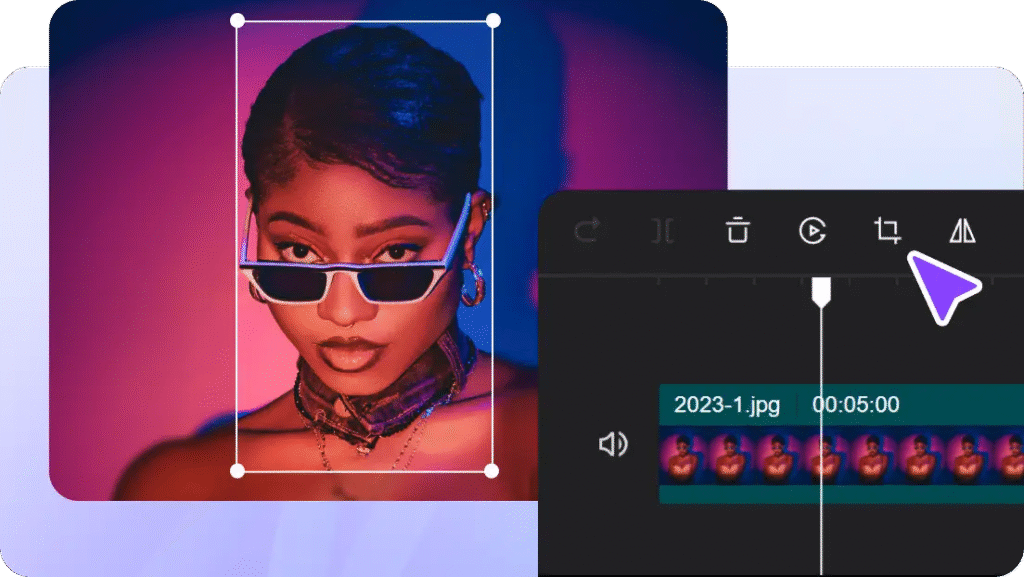
The filters must be appropriate to the target mood and visual setting. The content of social media tends to have a lot of color and eye-catching modifications, whereas branding visuals need to have soft, consistent colors that are indicative of brand identity. The editorial imagery might require cinematic coloring or thematic improvements that communicate the story. The use of filters and lighting manipulations, as well as texture overlays, also adds even more depth to visuals. The AI photo editor allows these combinations to be applied effortlessly, maintaining the right balance between aesthetics and realism. You can even crop video frames within the same platform to match filter styles across moving content, ensuring visual cohesion across media.
Maintaining Image Quality While Applying Filters
The image quality is expected to be preserved using filters. AI-based upscaling preserves finer details, which help to prevent blurring or pixelation when enhancing an image. There is no color banding or unnecessary noise involved in the system, and the natural textures and smooth gradient are retained. The high-resolution export feature allows making large prints or submissions of professional portfolios without losing the clarity of the picture. There is no danger of unintentionally compromising quality due to automatic control of technical factors, and the artists are given an opportunity to focus on the artistic element of editing with the help of AI filters. This will make sure that it has professional-standard smooth outputs.
Creating a Consistent Visual Style Using AI Filters
Consistency is critical to the establishment of a recognizable graphical identity. The filter-based style can be generated using AI filters and applied to various images to keep social posts, campaigns, or portfolios consistent. With a defined style, it may be reused to work on new images with minimum effort and without repetitive editing. Cloud integration not only allows one to access styles that have already been made but also streamlines the workflow of a team or a single creator. The content is rendered visually consistent with the establishment of a coherent aesthetic, which favors branding and storytelling, too.
Conclusion
The benefits of AI filters are flexibility, precision, and the ability to enhance context in comparison with traditional presets. CapCut online enables the user to create high-quality photos without technical problems and expensive software. Its intelligent AI capabilities make editing easier, maintain the quality of the image, and allow experimenting with artistic content, and the best photo editing is completely free to everyone. Digital media will rely increasingly on intelligent filtering, where AI is not only able to simplify the workflow but also improve artistic potential, enabling the creators to create more visually compelling works that are easier and more dependable to produce.