Browse Number Registry Reports for 3510178425, 3510641914, 3248759853, 3509339391, 3337850549

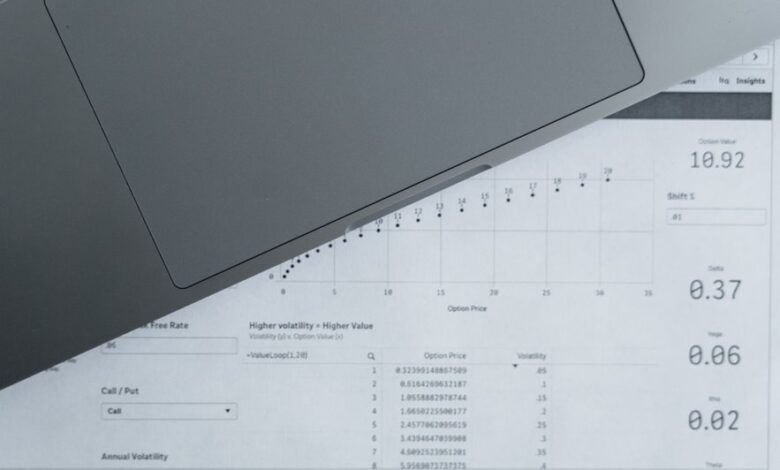
The five number registry entries offer a concise, cross-identified view of balance, activity, verification status, and timestamps. By aligning events across 3510178425, 3510641914, 3248759853, 3509339391, and 3337850549, patterns in ownership and usage emerge. The reports support rapid comparison, anomaly detection, and auditable workflows. A structured approach reveals transitions and irregularities, while exposing areas that require further verification before conclusions can be drawn. The implications warrant close attention as the analysis proceeds.
What the Five Number Registry Entries Reveal at a Glance
The Five Number Registry entries offer a concise snapshot of each account’s status and characteristics, enabling rapid cross-comparison across the listed identifiers. The overview emphasizes data integrity by presenting consistent fields for balance, activity, and verification. Risk assessment emerges from variance in timestamps and gesture of compliance, guiding readers to identify anomalies, relationships, and potential exposure within the registry framework.
How to Compare Ownership Histories Across 3510178425, 3510641914, 3248759853, 3509339391, 3337850549
To compare ownership histories across the five registry entries—3510178425, 3510641914, 3248759853, 3509339391, and 3337850549—one should align their historical records by timestamped events, verify ownership transitions against verified owner identifiers, and map successive holders through each account’s lifecycle. This reveals ownership trends, cross linking data lineage, timestamp integrity, and supports transparent accountability.
Reading Usage Patterns and Flags for Anomaly Detection
Analyzing usage patterns and flags for anomaly detection involves systematically profiling access sequences, transaction rates, and event outcomes to distinguish normal operating behavior from deviations.
The review methodology emphasizes objective thresholds and pattern recognition, filtering noise while documenting edge cases.
Anomaly indicators include rapid spikes, unusual timing, and repeated failed attempts, guiding disciplined assessment and targeted investigations.
Practical Workflow for Auditing and Cross-Record Validation
Auditors implement a structured workflow for cross-record validation that integrates findings from usage pattern analysis with formal verification steps across multiple records. The approach emphasizes repeatable procedures, traceable decisions, and auditable traces. It supports discussion ideas and refining auditing workflows while maintaining objectivity. Results are assessed against predefined benchmarks, with documented rationales to ensure transparency and continual improvement across the registry.
Conclusion
In the ledger’s quiet forests, five river stones trace a single eddy: ownership shifts ripple like weathered leaves, balance and activity marking seasons of use. Each identifier becomes a shadowed compass needle, aligning timestamps and verifications to reveal pathways of exchange. When read together, patterns emerge—patterns of trust, deviation, and accountability—guiding auditors through a disciplined map where anomalies stand out as bright beacons, signaling prudent cross-record validation and transparent stewardship.