If your solar power system is falling short of your needs, you have a couple of options available to you: continue to pull power from the grid on a daily basis, expand your solar array and completely upgrade your system, or add power optimizers to your panels. Many people find this last option to be the simplest one for achieving independence from the utility grid. If it’s an option you’re considering, keep reading for a quick look at how it’s done.
Evaluate Your Existing Solar Power System
The first step in making this upgrade is determining whether or not your current system is even compatible with power optimizers. Not every inverter works with optimizers, so your installer may need to verify the inverter model, panel specifications, and wiring configuration for you so you can determine if it will work with your current equipment. If you have an older string inverter, upgrading your inverter at the same time will give you the best results.
Install the Optimizers
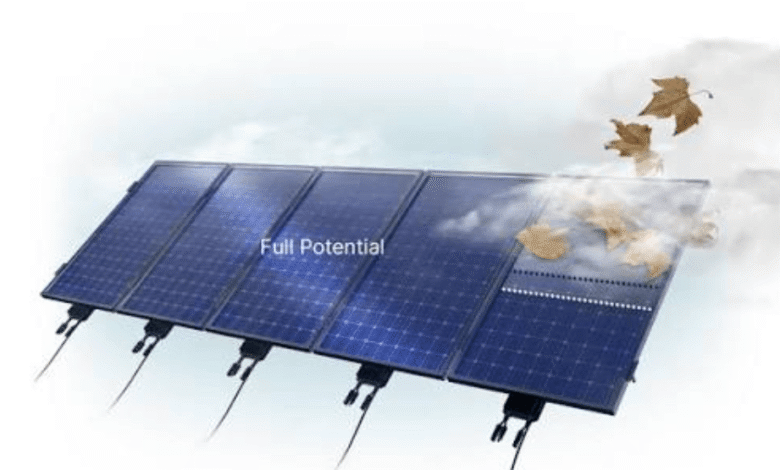
Power optimizers are small and fairly simple devices. They’re installed to the underside of each individual panel to maximize every panel’s energy production by allowing them to function independently. You’ll need to find the right mounting location beneath or alongside each individual solar panel. This will mean temporarily removing or lifting the panels to get access to the mounting rails.
The optimizer connects directly between the solar panel and the system’s DC wiring. Once it’s connected, the panel can then be reinstalled and remounted to its previous position. This needs to be done for every panel that’s getting an optimizer. Obviously, because the job requires removing and reattaching panels, as well as high-voltage electrical work, only qualified solar professionals should be doing this job.
Connect and Configure the System
After every optimizer is installed, the installer will then reconnect the system and configure communication between the optimizers and the inverter. Most modern optimizer systems include monitoring software that recognizes each individual optimizer. So, the installer will verify that every optimizer is communicating correctly and all panels are reporting the expected power production and voltage. This is why it’s so important to have a compatible inverter.
See also: Technofies: Shaping the Future of Education and Technology
Monitor Performance Over Time
At this point, installation is essentially complete. Now, you simply need to monitor your optimizers and your panels’ performance over time. Instead of only viewing total system production, you can now monitor the output of each individual panel, allowing you to pinpoint underperforming panels and correct any issues with your system.
With power optimizers and compatible SMA inverters, you can get more power from your existing system, allowing you to meet your energy needs without having to add more panels to your solar array.