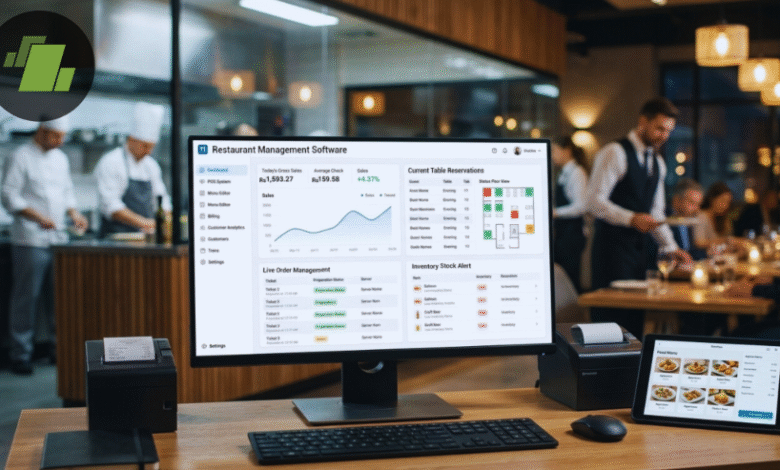
Restaurant software has become an essential part of running a competitive food service business, but the sheer range of available options can make it difficult for operators to know what genuinely matters when evaluating their choices.
Order Accuracy and Kitchen Communication
One of the most fundamental functions of restaurant software is ensuring that orders taken at the front of house are communicated accurately and immediately to the kitchen. Errors or delays in this communication chain are a common source of customer dissatisfaction, making reliable order routing one of the most important baseline requirements for any system.
Payment Processing Flexibility
Modern diners expect a range of payment options, from traditional card payments to various digital wallets and contactless methods. Restaurant software that supports flexible payment processing helps avoid friction at the point of checkout, which can otherwise create bottlenecks during busy service periods.
Reporting and Business Insights
Beyond day-to-day transaction processing, quality restaurant software should provide meaningful reporting on sales trends, popular menu items, and peak service times. These insights allow operators to make more informed decisions about staffing, menu adjustments, and promotional timing, rather than relying purely on intuition.
Staff Usability and Training Requirements
Restaurant staff often work in fast-paced, high-pressure environments, making the usability of restaurant software a genuinely important practical consideration. Systems with intuitive interfaces reduce training time for new staff and minimize the risk of order errors caused by confusing or overly complex software design.
Support and Reliability Considerations
Given that restaurant software failures during service can directly disrupt operations and customer experience, evaluating a provider’s reliability track record and quality of customer support is a worthwhile part of the selection process. You can review available restaurant software options to assess reliability and feature fit for your specific operation.
Frequently Asked Questions
Q1: What’s the most important feature to prioritize in restaurant software? Reliable order accuracy and kitchen communication generally form the foundation, though the most important secondary features depend on your specific service style and business priorities.
Q2: How much does restaurant software typically cost? Pricing varies widely based on features, transaction volume, and provider, making it worth requesting a detailed quote based on your specific operational needs.
Q3: Can restaurant software help reduce staffing costs? Improved order accuracy and operational efficiency can reduce the time staff spend on administrative tasks, though software alone isn’t typically a substitute for adequate staffing levels during service.
See also: Lifestyle Blog Discovery Guide Mittlivochmittkok Revealing Home and Cooking Searches
Conclusion
Evaluating restaurant software against your specific operational priorities — order accuracy, payment flexibility, useful reporting, and staff usability — leads to a more informed choice than simply comparing feature checklists across providers.